Trainings

2-Day MSK Ultrasound

This two-day intensive program provides comprehensive training in musculoskeletal (MSK) ultrasound evaluation and ultrasound-guided injection techniques across all major joints and soft-tissue structures. The curriculum combines didactic instruction, live scanning demonstrations, and supervised hands-on practice with live models and, when available, procedural patients.
Course facts
Duration
16 hours over two days
CME credits
16 CME credits
Location
Your practice | Our Practice
Format
Hands-on, one-to-one or small group, fully customizable
Tuition At Our Practice
$5,000
Tuition At Your Practice
$7,000+ travel
Additional providers
$1,000 each

Learning Objectives

Participants will gain proficiency in probe handling, image optimization, sonographic anatomy, pathology recognition, and ultrasound-guided procedural techniques following best-practice safety and aseptic protocols.

Perform ultrasound evaluation of the musculoskeletal system across all major joints and supporting structures, including tendons, ligaments, bursae, muscles, and peripheral nerves.
Optimize ultrasound settings for accurate visualization of normal and pathological anatomy.
Demonstrate proper probe handling, transducer positioning, and scanning techniques for consistent image acquisition.
Perform ultrasound-guided injections of the major joints and peritendinous structures with precision, safety, and aseptic technique.
Apply evidence-based principles in musculoskeletal ultrasound to clinical practice for diagnostic and interventional purposes.

Schedule

Day 1

9:00 - 9:30 am
Course Introduction & Fundamentals
Overview of course objectives, probe handling, image orientation, injection techniques, and tissue echotexture principles.
9:30 - 10:50 am
Knee Region
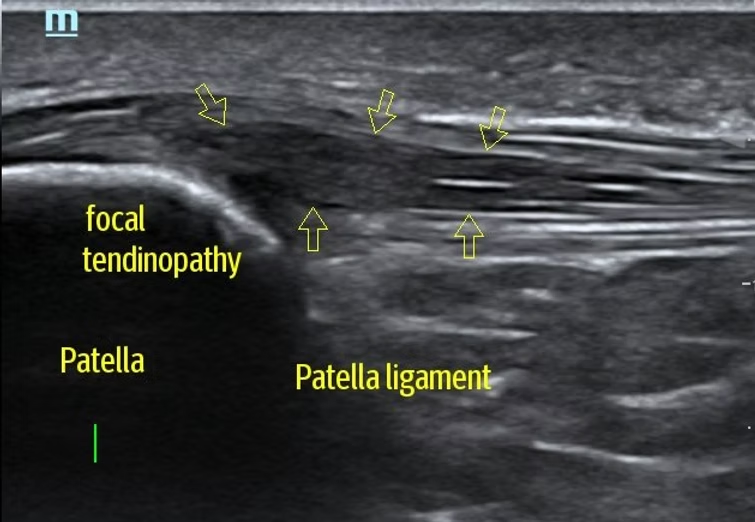
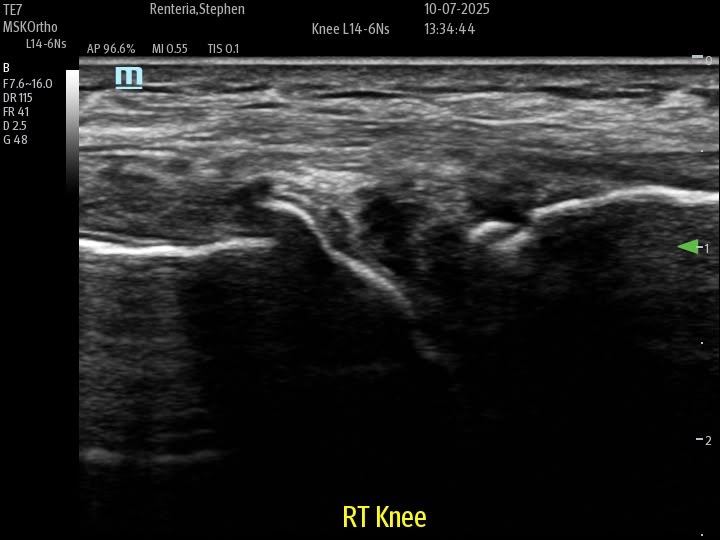
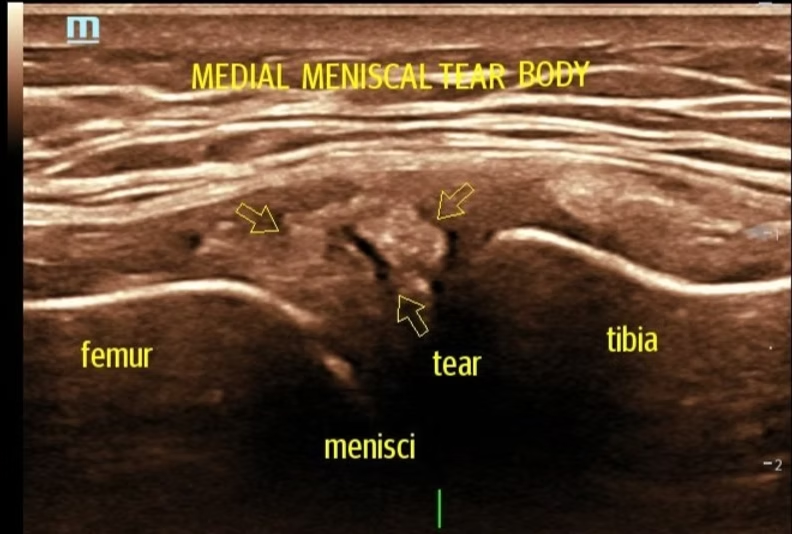
Sonographic anatomy and scanning techniques of the quadriceps tendon, suprapatellar recess/bursa, medial and lateral meniscus, MCL, and LCL.
10:50 - 10:55 am
Break
12:25 - 12:55 pm
Shoulder Region
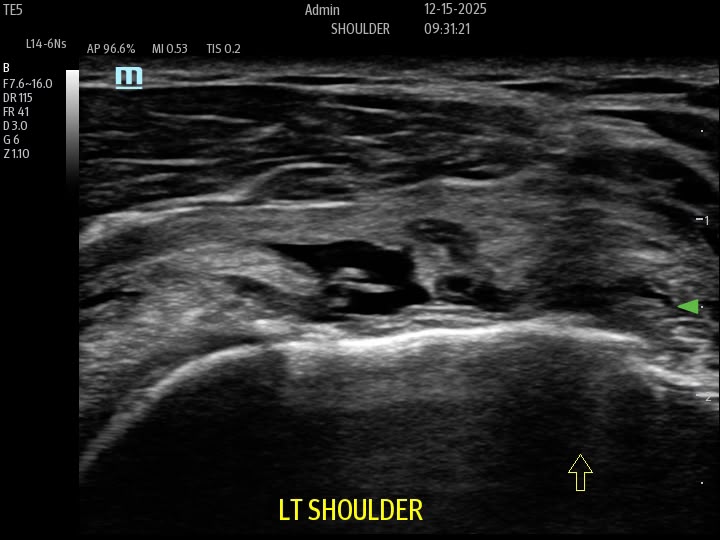
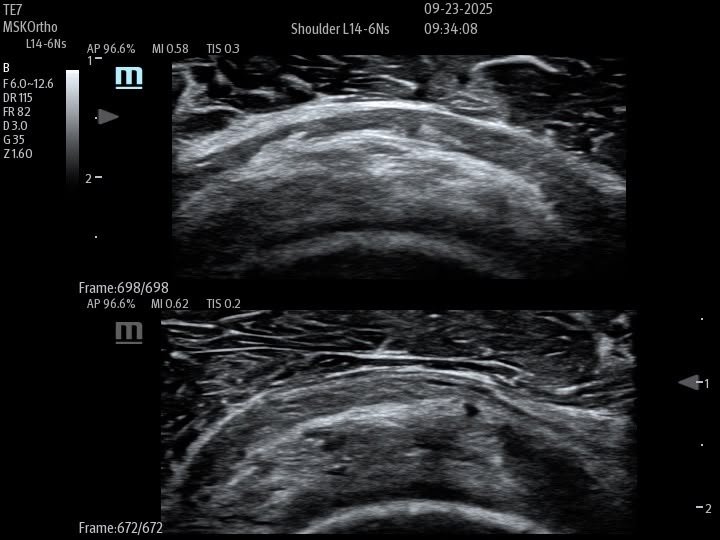
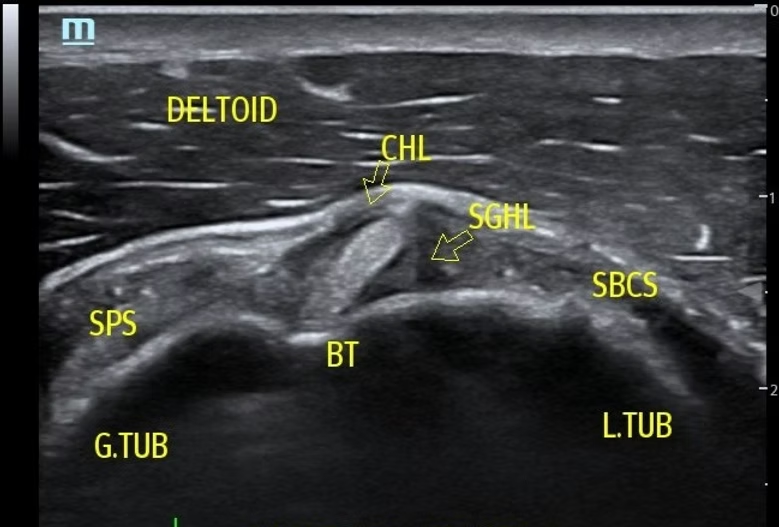
Evaluation of the AC joint, long head of the biceps tendon, supraspinatus tendon, subdeltoid/subacromial bursa, and glenohumeral (posterior) joint injection.
12:25 - 12:55 pm
Lunch Break
12:55 - 2:10 pm
Elbow Region
Scanning of the common extensor tendon (lateral epicondyle), UCL, ulnar nerve, common flexor tendon (medial epicondyle), triceps tendon, and biceps brachii insertion.
2:10 - 2:15 pm
Break
2:15 - 5:00 pm
Procedure Block
Ultrasound-guided procedures on patients (if scheduled). Focus on knee, shoulder, and elbow injections based on morning training. If no procedures are scheduled, continue hands-on scanning reinforcement and Q&A.

Day 2

9:00 - 10:20 am
Hand & Wrist Region
Sonographic assessment of the carpal tunnel, trigger finger, radiocarpal joint, and De Quervain’s tenosynovitis.
10:20 - 10:25 am
Break
10:25 - 11:45 am
Hip Region
Identification and scanning of the femoroacetabular joint, greater trochanteric bursa, and sacroiliac (SI) joint.
11:45 am - 12:15 pm
Lunch Break
12:15 - 1:45 pm
Foot & Ankle Region
Imaging of the peroneal tendons, ATFL, ATIFL, tibial nerve, Achilles tendon, tibiotalar joint, and plantar fascia.
1:45 - 2:00 pm
Review & Q&A
Course recap and preparation for afternoon procedures.
2:00 - 5:00 pm
Procedure Block
Ultrasound-guided procedures on patients (if scheduled) focusing on wrist, hip, and ankle/foot injections. If no procedures are scheduled, extended scanning sessions and case discussions.

Who it is for

Physicians and Advanced Practitioners specializing in musculoskeletal medicine, sports medicine,
orthopedics, physical medicine and rehabilitation, and pain management

Cancellation policy

Free cancellation within 24 hours of booking. After that, if flights and reservations have already been booked, the client is responsible for thosecharges.

To cancel or reschedule, contact MSK Ortho directly at:

alfredo@mskortho.com or
954-505-6406.

Faculty and Model Requirements

• Faculty: One instructor and for every 4 participants.
• Models: At least two live scanning models available both days (one for morning and one afternoon) for demonstration and practice.
• Procedural Patients: Should be scheduled to match the anatomic regions covered that day.

Evaluation and CME Credit

Participants will complete post-course assessments, practical evaluations, and feedback surveys to qualify for credits upon successful completion of all course components.

Bring the training to your clinic, or come train with us

Tell us what you need covered, where you want to train, and we will customize the agenda to your specialty.